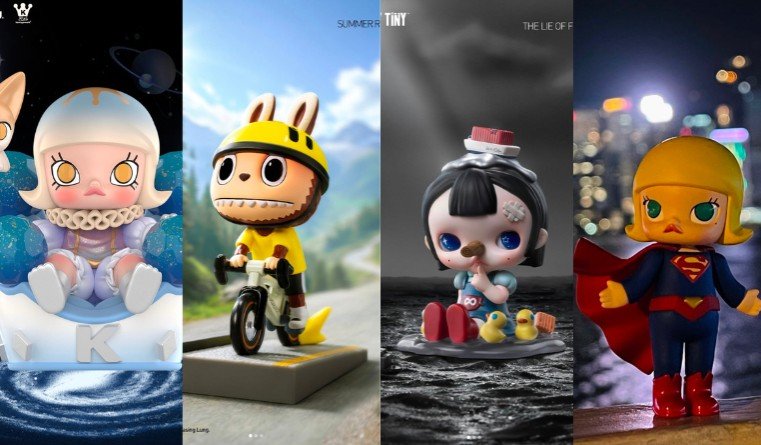
A line of collectible plush toys created by a Hong Kong Illustrator has taken the world by storm. Cathy Li explains how the bunny-eared elf figure named Labubu has become the hottest status symbol of 2025.
A near 400 percent increase in profits, revenue soaring past Rmb13 billion (US$1.8 billion) and a vinyl toy that auctioned for the price of a luxury sports car. In 2025, the hottest flex isn’t your handbag – it’s what’s dangling from it.
Meet Labubu, a bunny-eared elf toy made by Chinese company Pop Mart, has gone viral for over a year since 2024. Endorsed by celebrities including Rihanna and Lisa from Blackpink, the “ugly-cute” toy has become so popular that Pop Mart paused sales in the United Kingdom in May, after fights and safety concerns in stores. Official versions in China sell for between Rmb99 (US$14) and Rmb399 (US$56), with resale prices climbing significantly higher.
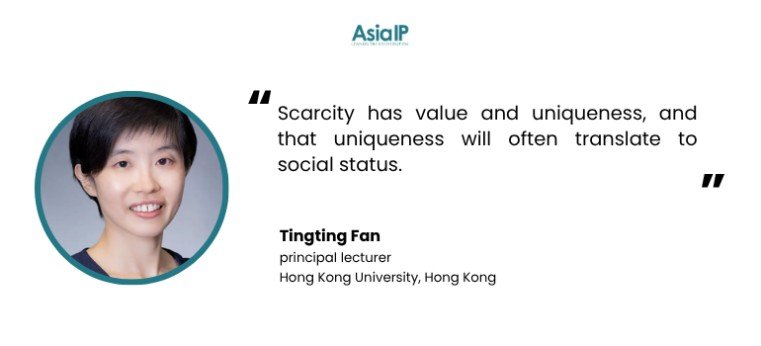
“Louis Vuitton means you’re classy, but Labubu shows you’re not out of date,” Tingting Fan, principal lecturer and MBA GBA programme director at Hong Kong University, told Asia IP,. Labubu isn’t just a teenage trend; it’s a cross-generational phenomenon embraced by adults as much as by younger fans.
One life-sized Labubu sold for over US$150,000 at auction in June in Beijing.
In 2024, Pop Mart reported Rmb13 billion (US$1.8 billion) in total revenue, more than doubling from Rmb6.3 billion (US$884 million) in 2023. Gross profit rose by 125.4 percent, reaching Rmb8.7 billion (US$1.2 billion), with the gross profit margin improving from 61.3 percent to 66.8 percent year-on-year.
The Monsters series, led by Labubu, was a major revenue driver. In 2024, Labubu’s global popularity helped push The Monsters IP revenue past Rmb3 billion (US$421 million), making it one of the company’s top-performing intellectual properties.
In the first half of 2025, Pop Mart reported Rmb13.9 billion (US$1.95 billion) in revenue, a 204.4 percent year-on-year increase, and Rmb4.6 billion (US$646 million) in net profit, up 397 percent from the same period in 2024.
At a press conference on August 20, 2025, CEO Ning Wang stated that the company was on track to meet its targeted revenue goal of Rmb20 billion (US$2. 8 billion) in 2025, adding that “Rmb30 billion (US$4.2 billion) this year should also be quite easy.”
The company also noted that Labubu had “ascended to global IP prominence” and become “one of the world’s most sought-after IPs in the first half of 2025.”
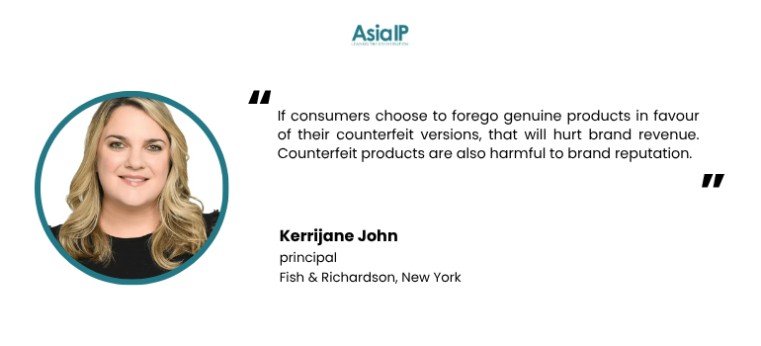
Last month, Pop Mart reported an astonishing near 400 percent increase in profits for the first half of the year. Despite warnings from multiple countries not to buy them, sales of Lafufu – counterfeit Labubu toys – have also surged, inspiring a flood of memes, funny clips and unboxing vlogs.
Most Labubus are sold in “blind boxes,” where buyers don’t know which specific figure they’ll receive until they open the packaging. Each box contains one toy from a series, and while some designs are common, others are rare or secret editions with much lower odds of being found. This element of surprise has become central to Pop Mart’s success.
The blind box model taps into the psychology of collectible culture and chance-based reward systems, similar to trading Pokémon cards or capsule toys. It encourages repeat purchases, as collectors try to complete a full set or chase rare figures.
“I like the feeling of not knowing, the buildup of finding out what’s in here and the craze of what everyone else is doing,” a consumer said online.