

Vietnamese composer to waive copyright fees for use of his songs in certain instances
19 August 2026
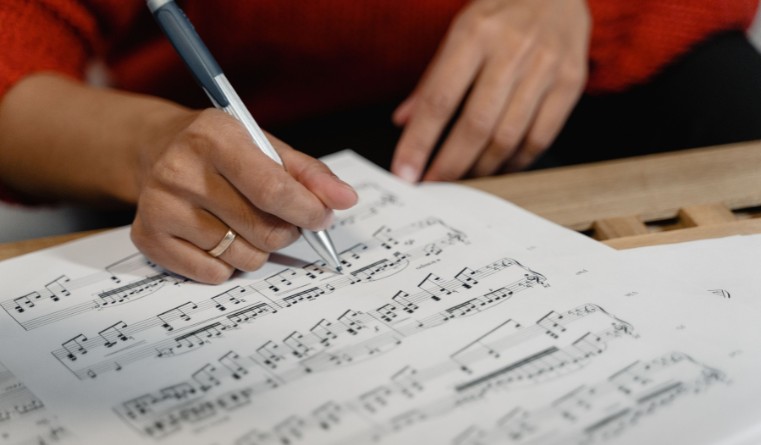
Vietnamese composer Van Chung Nguyen has announced he will waive copyright fees for seven cases of use of his compositions by the public.
These are: use of the songs by school authorities for arts and culture performances, holiday celebrations, opening and closing ceremonies, extracurricular activities, among others; recording the songs by teachers who wish to use these for educational or commemorative purposes; use by students for performances, competitions, movements, wall newspapers, theses, propaganda, graduations or for preservation of memories; in temples or churches to spread positive thoughts; recording, including the songs’ video formats, for preservation of personal memories and images; use by soldiers and state units for internal performances or community projects for propaganda; and use for non-profit activities as well as personal activities without any commercial benefit to the individuals.

Yen Vu | executive and country manager @ Rouse Legal Vietnam, Ho Chi Minh City
According to Yen Vu, executive and country manager at Rouse Legal Vietnam in Ho Chi Minh City, Nguyen is voluntarily exercising his rights in a way that balances legal protection with social benefit. By doing this, she said the musician is reinforcing the important principle that copyright exists to reward and empower creators. This includes giving creators the freedom to decide when their works may be shared more openly.
“For copyright owners, his announcement shows that strong public support and commercial success can coexist with generosity and social responsibility,” said Vu.
“For the general public, the decision strengthens access to cultural works that resonate deeply with Vietnamese society, whether through patriotic songs that inspire national pride and social cohesion or through beloved songs about children, parents and family bonds,” she added.
In particular, Vu mentioned the song “Nhật Ký Của Mẹ”(A Mother’s Diary), which Nguyen composed. It wasreleased in 2012 and was translated into Japanese in 2014. According to Vu, the song has become part of Vietnamese families’ emotional fabric.
“Ultimately, the announcement may help foster a more positive public understanding of copyright, illustrating that copyright is not merely a mechanism for collecting royalties, but also a framework that enables creators to contribute voluntarily to the cultural and social life of the nation while preserving and promoting values of family, community and shared cultural identity,” Vu stated.
- Espie Angelica A. de Leon