

Kazakhstan’s constitutional recognition of IP rights signals a new era for Central Asia
07 August 2026
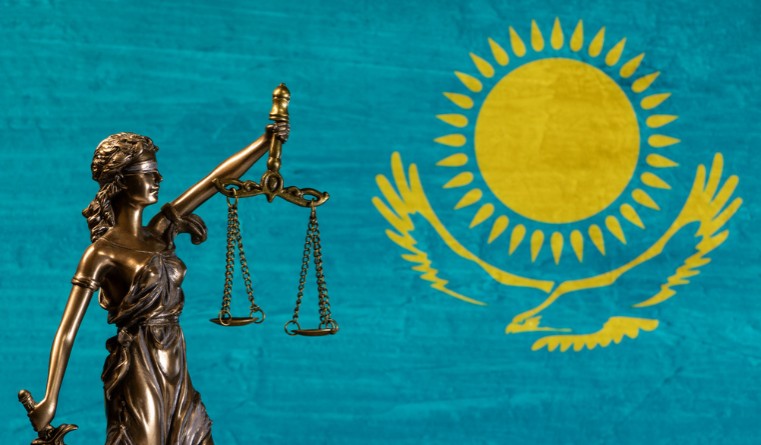
A constitutional amendment typically does not generate headlines in intellectual property circles. Still, Kazakhstan’s decision to elevate IP protection to constitutional status has attracted significant attention among IP practitioners in Central Asia this year. As legal practitioners across the region assess the implications, the reform is increasingly being viewed as a statement about the future direction of Kazakhstan’s innovation economy.
Under Kazakhstan’s new constitutional framework, intellectual property is expressly recognized and protected by law. The provision, which took effect as part of broader constitutional reforms implemented on July 1, 2026, marks the first time IP rights have received explicit constitutional recognition rather than relying on general property and creative-freedom guarantees.
At one level, the practical impact may appear limited because patents, trademarks, copyrights and related rights were already protected through sector-specific legislation. Businesses operating in Kazakhstan have long been able to register and enforce IP rights under existing statutes.
Yet constitutional recognition carries significance beyond day-to-day registration procedures. Constitutional provisions often influence judicial interpretation, legislative priorities and long-term policy development. By elevating IP rights to the highest level of legal protection, Kazakhstan has signalled that innovation, creativity and intangible assets are becoming increasingly important components of national development strategy.
The timing is notable. Kazakhstan has been seeking to position itself as a regional hub for investment, technology development and cross-border commerce. As competition among emerging economies intensifies, strong intellectual property protections have become a key factor affecting foreign investment decisions, particularly in technology, pharmaceuticals, manufacturing and digital services.
Legal experts caution against assuming immediate changes in enforcement outcomes. Courts will continue applying existing legislation, and constitutional language alone does not automatically resolve practical concerns such as counterfeiting, piracy or enforcement efficiency. Nevertheless, the amendment creates a stronger legal foundation for future reforms.
For foreign investors, the constitutional change may provide an additional layer of confidence. Companies increasingly seek jurisdictions where intellectual assets enjoy clear legal recognition and where governments demonstrate long-term commitments to innovation ecosystems. Explicit constitutional protection can contribute to such perceptions, particularly in emerging markets.
The reform also carries regional implications. Central Asian governments have increasingly focused on digitalization, technology transfer and knowledge-based economic growth. Kazakhstan’s move is likely to prompt discussion among policymakers elsewhere in the region about whether existing constitutional and legislative frameworks adequately reflect the growing economic importance of intellectual property.
Another important aspect is symbolism. Historically, discussions of constitutional rights have centred on political freedoms, property ownership and civil liberties. The inclusion of intellectual property highlights the extent to which ideas, creativity and innovation are now viewed as strategic national assets worthy of explicit constitutional protection.
While the full implications will only emerge over time, Kazakhstan has sent a clear message to innovators, investors and rights holders. In an era increasingly defined by intangible assets, intellectual property is no longer merely a specialized legal field. It has become a constitutional concern and, potentially, a cornerstone of economic policy.
- Asia IP