

IP Week @ SG: AI puts the global IP system to the test
26 August 2026
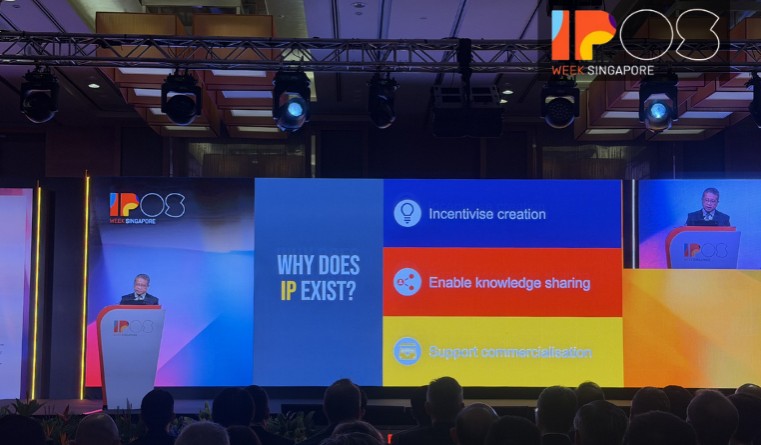
Artificial intelligence is rapidly reshaping how ideas are created, protected and commercialized, prompting governments, businesses and policymakers to reconsider whether the global intellectual property system remains fit for purpose in an age of machine-generated innovation.
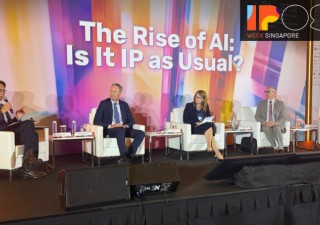
That was the central message from the opening session of Singapore IP Week, where leaders from Singapore, the World Intellectual Property Organization (WIPO), and IP offices across the region gathered to discuss the theme “The Rise of AI: Is It IP as Usual?”
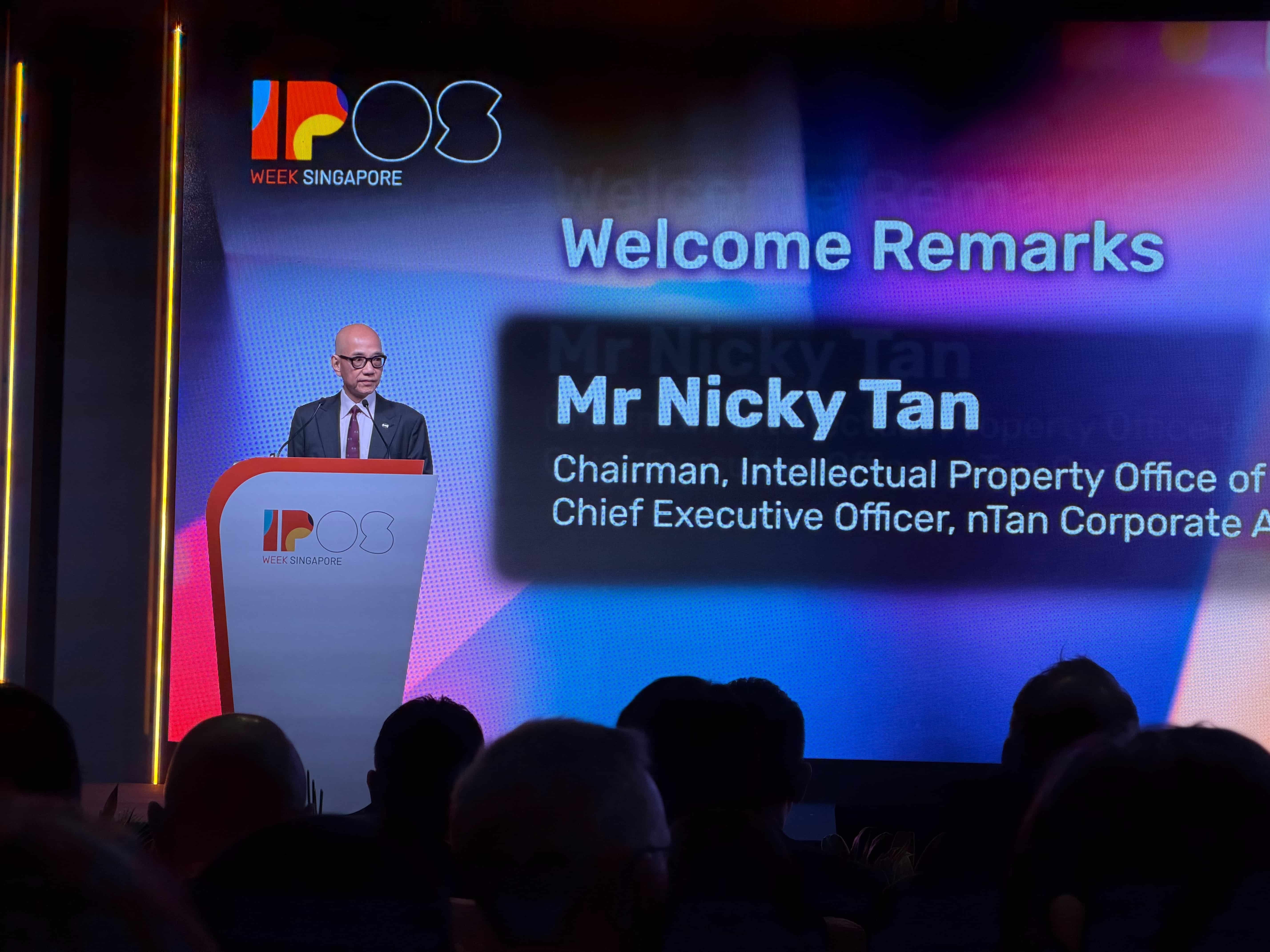
Nicky Tan addresses delegates
Opening the conference, Nicky Tan, chairman of the Intellectual Property Office of Singapore (IPOS), said the event was taking place against a backdrop of unprecedented growth in intangible assets, now estimated to be worth about US$100 trillion globally and which, over the past decade, have on average been equivalent to roughly two-thirds of world GDP. He argued that AI is accelerating a fundamental shift in how value is created and captured.
“This development sits at the heart of this year’s theme,” Tan said, noting that generative and agentic AI systems are already transforming creativity, innovation and enterprise. While technology is evolving rapidly, he stressed that the core purpose of intellectual property remains unchanged: encouraging innovation, rewarding creativity and supporting business growth.
The opening session also marked a milestone for Singapore’s IP ecosystem, with IPOS celebrating its 25th anniversary. Established in 2001, the agency has evolved alongside Singapore’s transformation into a global innovation hub. Today, according to Tan, IPOS maintains partnerships covering economies responsible for more than 75 percent of global GDP and over 90 percent of worldwide patent and trademark filings.
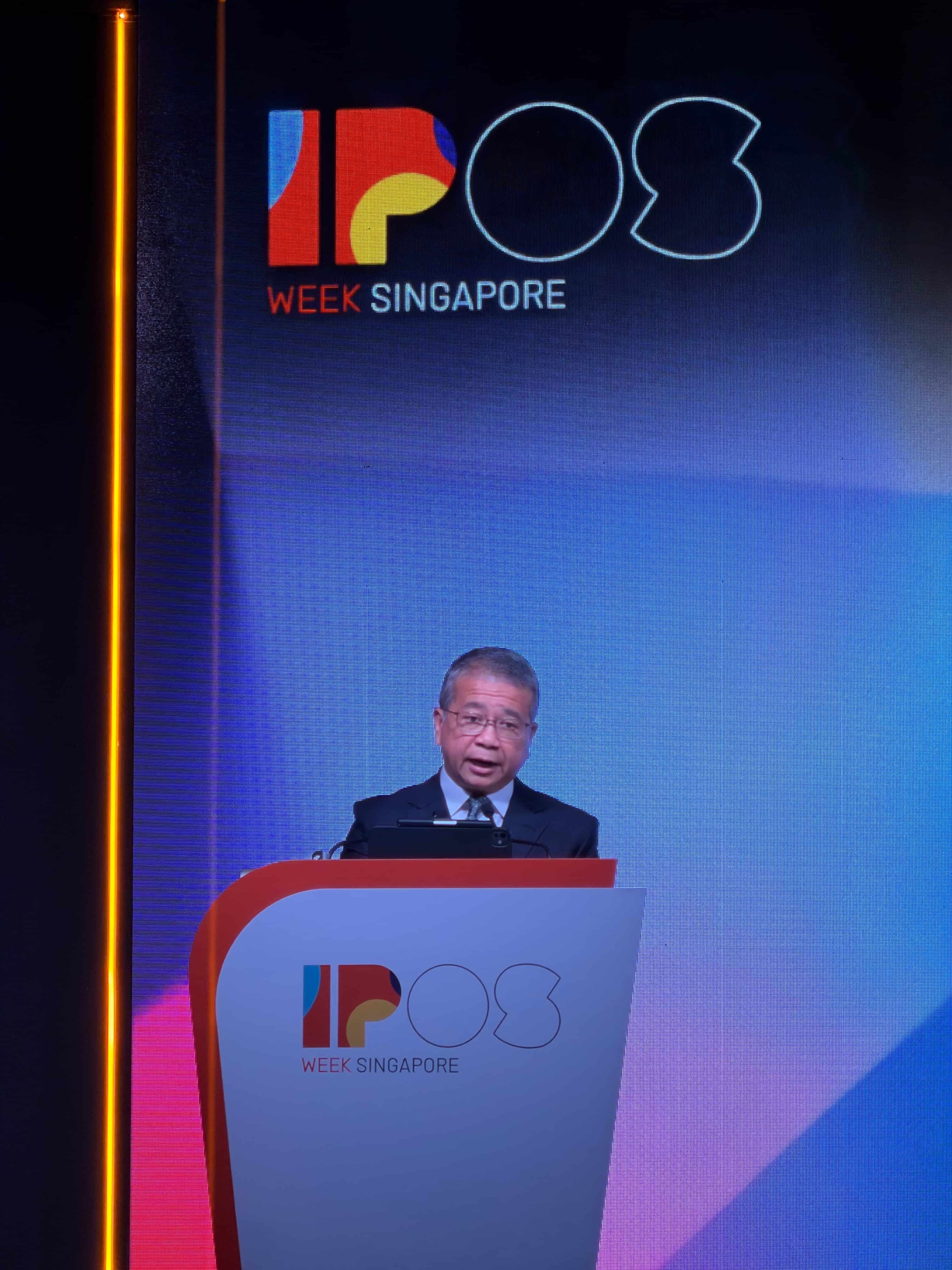
Edwin Tong speaks during the opening session
Guest of honour Edwin Tong, Singapore’s minister for law and second minister for home affairs, framed the AI challenge not as a threat to creativity but as an expansion of human capability. Drawing on a birthday gift created with AI assistance, Tong argued that technology can dramatically increase productivity without replacing the human imagination and judgment behind creative work.
“AI did not replace human creativity,” he said. “It dramatically expanded what humans could do.”
Tong identified three major questions confronting policymakers. The first concerns authorship and authenticity in a world where AI-generated content is becoming commonplace. The second involves balancing the rights of creators against growing demand for copyrighted materials to train AI systems. The third centres on the changing sources of competitive advantage as AI drives a shift from scarcity to abundance in the production of content and ideas.
He highlighted how these issues are already surfacing globally through disputes over AI training data and copyright. While jurisdictions including the United States, Japan and the European Union are pursuing different regulatory approaches, he said, Singapore intends to examine the issue carefully and in consultation with industry stakeholders.
As part of that effort, Tong announced the launch of a public consultation on AI and IP. The review will consider how copyrighted works can be used for AI training, whether current patent frameworks remain suitable in an AI-driven innovation environment, and what regulatory changes may be required to encourage future creativity and investment.
Beyond regulation, Singapore is also seeking to strengthen its infrastructure for managing and commercializing intangible assets. Tong announced plans for a new technical reference on enterprise AI and IP management, an accompanying certification programme and enhancements to the IP Grow platform, which connects businesses with IP expertise.
A further priority is improving confidence in the valuation of intangible assets, an area increasingly seen as critical to unlocking financing and investment. Singapore is working with the Institute of Valuers and Appraisers Singapore (IVAS), the Accounting and Corporate Regulatory Authority (ACRA) and industry partners to develop updated valuation guidelines.
The city-state is also helping to establish a new Global IA Valuation Network, bringing together six international organizations including WIPO, IPOS, IVAS, the International Trademark Association (INTA), the Licensing Executives Society International (LESI) and the International Valuation Standards Council (IVSC) to promote greater consistency in how intangible assets are assessed across jurisdictions.
Delivering the international perspective, Daren Tang, director general of WIPO, described intellectual property as increasingly central to the world economy. Global trade in IP reached a record US$1.2 trillion in 2024, while investments in intangible assets are growing more than three times faster than investments in physical assets, he said.
Tang said that the challenge facing the global IP community is to scale the impact of intellectual property in an environment characterized by technological disruption and geopolitical fragmentation. “IP is a team sport,” he said, emphasizing the need for international collaboration and common approaches to emerging challenges.
To that end, WIPO will launch a new global forum on IP and AI later this year, bringing together governments, industry and other stakeholders to address AI-related questions spanning copyright, patents, trademarks and design rights. The organization has also launched the AI Infrastructure Interchange initiative and is developing AI-powered services for patent and trademark systems worldwide.
The opening session concluded with broad agreement that artificial intelligence may fundamentally alter how innovation occurs, but not why societies protect it. As AI makes creation easier and more abundant, speakers argued, the real challenge will be ensuring that intellectual property systems continue to reward human ingenuity, foster trust and convert ideas into lasting economic value.
- Darren Barton in Singapore