


IP Week @ SG: The US$100 trillion question of valuing intangible assets
02 September 2026
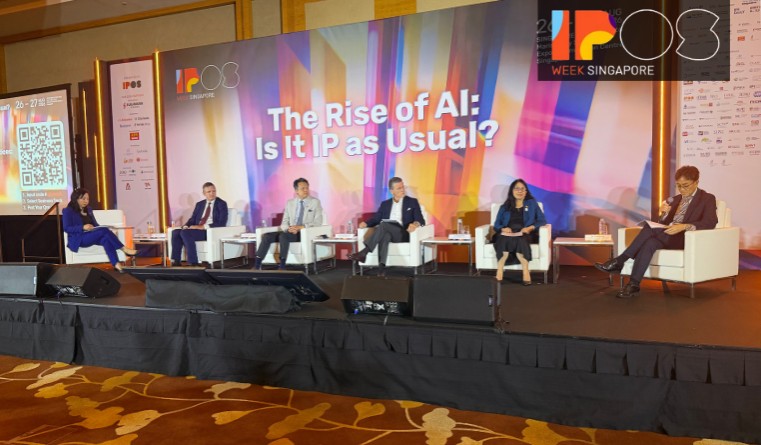
As intellectual property, brands, data and other intangible assets become increasingly important drivers of corporate value, global leaders in valuation, intellectual property and finance are calling for a common framework that can help investors, lenders and businesses speak the same language.
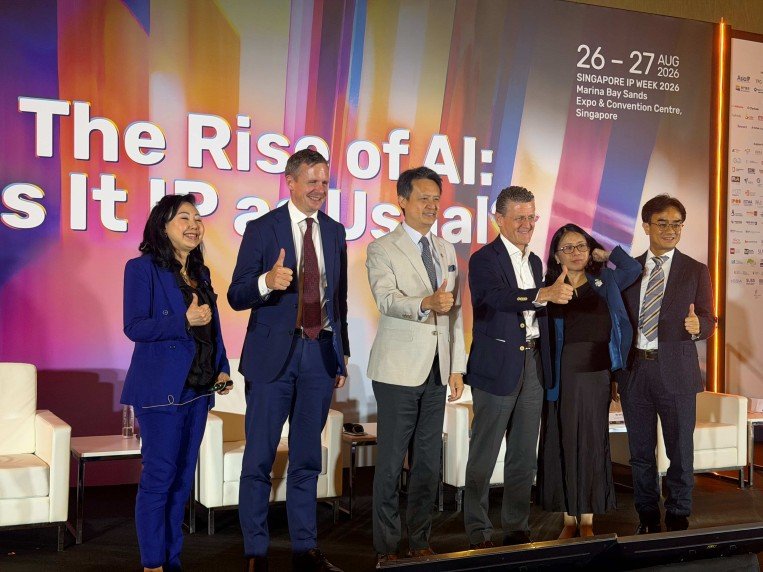
This was the central message from the panel discussion “Harmonizing Valuation Practices: Towards Greater Trust in Intangible Assets” at the Global Forum on Intellectual Property, part of Singapore IP Week. Moderated by Audrey Yap, managing director at Yusarn Audrey, the panel examined how greater consistency in intangible asset valuation could unlock financing, improve transparency and strengthen confidence across global markets.
The discussion comes as intangible assets increasingly dominate the global economy. According to recent World Intellectual Property Organization (WIPO) research, the value of corporate intangible assets worldwide approached US$100 trillion in 2025, while intangible investment across the 29 economies covered by WIPO and Luiss Business School’s analysis surpassed US$10 trillion for the first time. This underscores a historic shift away from physical assets and toward knowledge-based capital, including IP, software, brands and data.
Building a common language for value
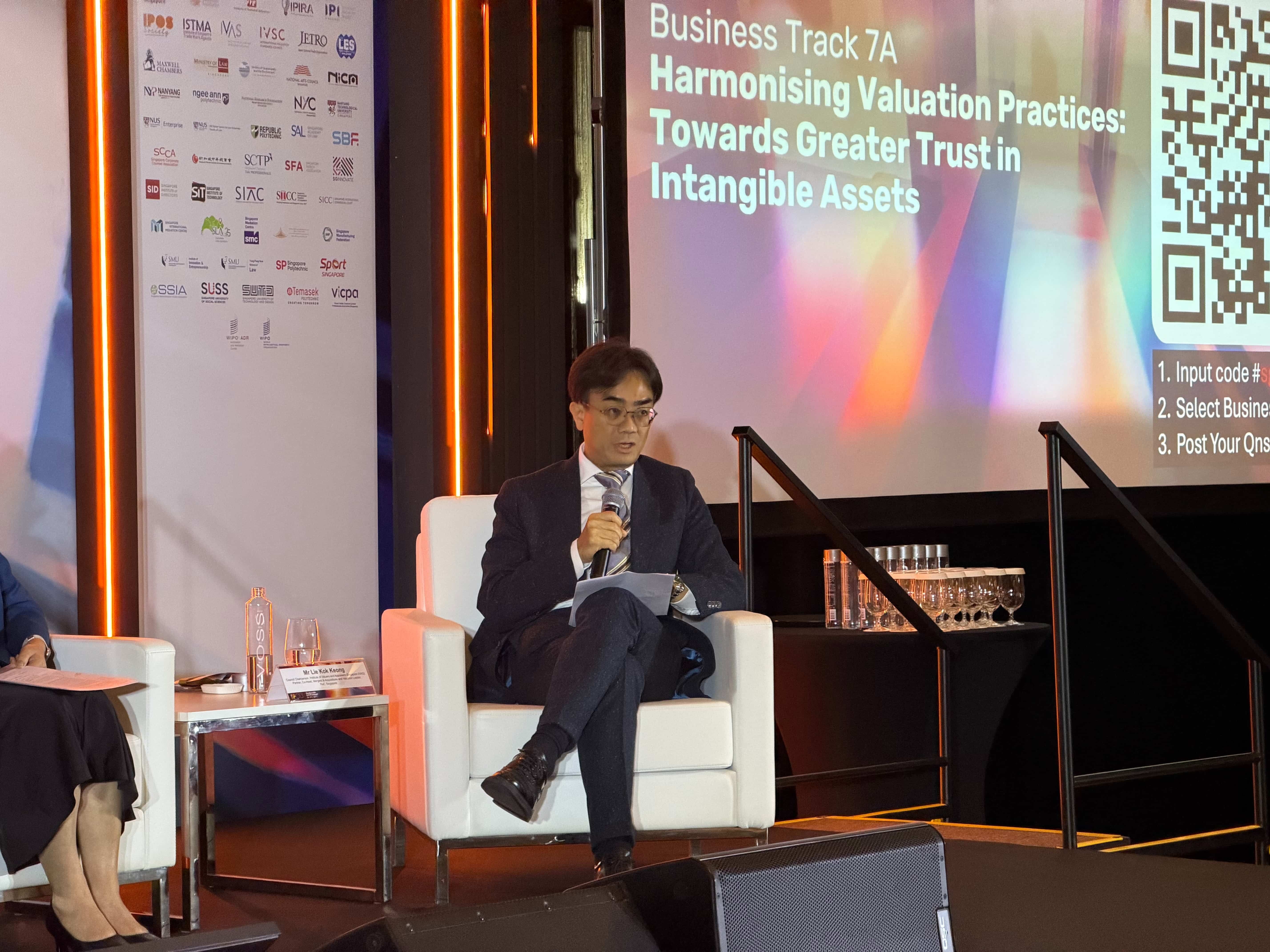
Kok Keong Lie | council chairperson of the Institute of Valuers and Appraisers Singapore
Opening the discussion, Kok Keong Lie, council chairperson of the Institute of Valuers and Appraisers Singapore (IVAS), outlined the results of a multi-jurisdictional study involving stakeholders from Singapore, Canada, the United Kingdom and the United States that sought to identify practical gaps in intellectual property valuation.
The research identified nine key focus areas, ranging from understanding the characteristics of different intangible assets to improving valuation methodologies, transparency and reporting practices. Among the questions explored were whether assets should be valued individually or as bundles, how royalty rates should be determined, and how valuers should disclose assumptions and post-valuation developments.
Lie said that valuation professionals need a more structured framework that moves beyond intuition alone.
The guidance note evaluates intangible assets through legal, technological, functional and economic lenses, helping reduce overreliance on subjective judgment while maintaining the professional expertise required for complex valuations.
Yap emphasized that valuation frameworks must provide users with confidence in situations where uncertainty is high and comparable market transactions are scarce.
“The importance of defensible methods is providing comfort regarding uncertainty and lack of comparables,” she said, underscoring a challenge familiar to investors assessing emerging technologies and innovative companies.
Why investors still struggle with intangibles
Despite growing recognition of intangible assets, the panel agreed that market infrastructure has not kept pace.
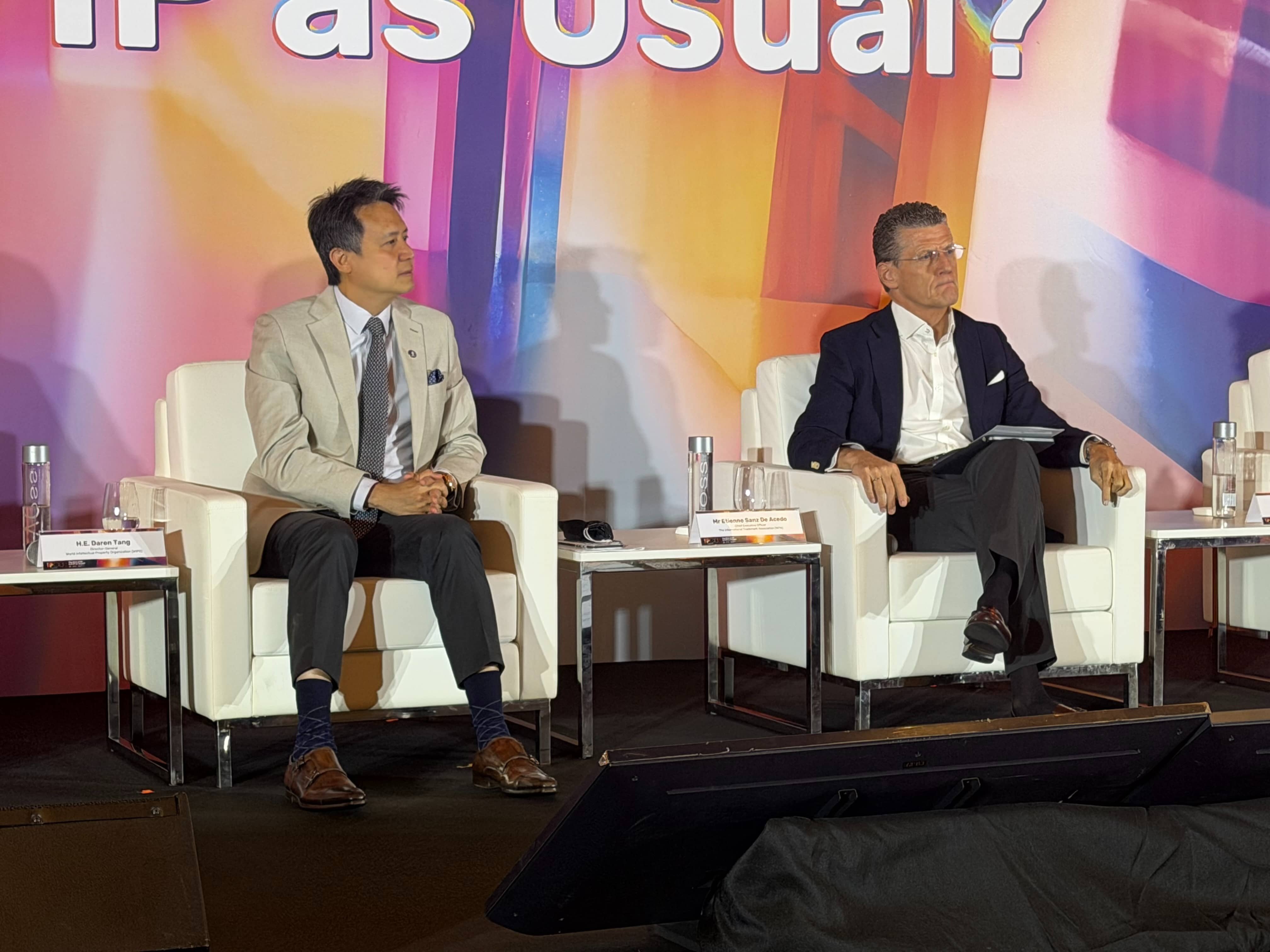
(From left) Daren Tang and Etienne Sanz de Acedo
Etienne Sanz de Acedo, CEO of the International Trademark Association (INTA), said: “There is a disconnect between balance-sheet valuations, which are largely historical, and what investors want, which are future projections.” He also highlighted the difficulty of using trade secrets as collateral because businesses often cannot disclose them fully during financing discussions or due diligence processes.
Sanz de Acedo also said that many small and medium-sized enterprises continue to view IP as a legal or administrative matter rather than as a strategic business asset. Greater education among executives and entrepreneurs, he said, will be critical to closing that gap.
That concern was echoed by Daren Tang, director general of WIPO, who described what he called a persistent “C-suite problem.” Many business leaders, he noted, continue to treat intellectual property as a cost centre or legal risk instead of a fundamental driver of competitive advantage and growth. Real change, he argued, requires stronger leadership ownership of IP strategy.
The challenge is particularly significant as corporate value becomes increasingly concentrated in non-physical assets. Recent WIPO analysis found that the value of global corporate intangibles has increased 16-fold since 1996 and has, on average over the past decade, been equivalent to roughly two-thirds of global GDP.
Different legal systems, different valuations
A recurring theme throughout the discussion was the difficulty of creating globally comparable valuation standards when legal systems vary dramatically.
Ningling Wang, president of Licensing Executive Society International (LESI), explained that the economic value of patents can differ substantially depending on the remedies available in individual jurisdictions.
“In the United States, patent valuation often focuses on royalty rates and damages considerations following principles such as those established in the Georgia-Pacific case,” she noted. By contrast, countries such as Germany and Brazil tend to emphasize injunctive relief, while China has increasingly incorporated punitive damages into patent enforcement through recent judicial developments.
These differences, Wang said, directly affect how investors and valuers assess risk and potential returns from intellectual property portfolios.
The issue illustrates why harmonization remains challenging despite increasing demand for international consistency.
From harmonization to interoperability
The panel also explored the role of disclosure in improving trust.
Lie pointed to Singapore’s Intangibles Disclosure Framework, developed jointly by the Intellectual Property Office of Singapore (IPOS) and the Accounting and Corporate Regulatory Authority (ACRA), as a practical step toward helping companies communicate the value of their intangible assets more effectively. The framework is based on four pillars: strategy, identification, measurement and management. It provides enterprises with a structured approach for disclosing intangible assets such as brands, patents and know-how.
According to Lie, improved disclosure can help companies demonstrate value to lenders, investors and other stakeholders, potentially improving access to financing and lowering perceived risk.
The discussion also touched on emerging valuation challenges presented by artificial intelligence. As investors pour capital into pre-revenue AI companies, establishing reliable valuation methodologies has become increasingly difficult due to rapid technological change, unclear ownership questions and limited financial histories.
While Lie suggested using market benchmarks and comparable-company analyses where possible, Tang said that many early-stage investments ultimately depend less on valuation science than investor confidence in founders and execution capability. “For early-stage ventures, investment often relies more on founder execution than standardized science,” he observed.
A global framework without uniformity
The panel concluded that complete global harmonization may be unrealistic. Instead, speakers advocated interoperability, allowing national standards and legal systems to remain distinct while ensuring that valuation approaches remain understandable and compatible across borders.
That approach aligns closely with broader efforts by the International Valuation Standards Council, whose standards seek to promote consistency, transparency and confidence in valuations across international markets.
As intangible assets become an ever-larger share of economic activity, panellists agreed that trust will be the critical ingredient. Investors need confidence in valuation methodologies, lenders need reliable frameworks for assessing risk, and businesses need a clearer pathway to transform intellectual property into financeable value.
With global intangible assets approaching US$100 trillion, the stakes could hardly be higher.
- Darren Barton in Singapore