

IP Week @ SG: Litigate, regulate or co-create? The battle over AI and IP’s future
28 August 2026
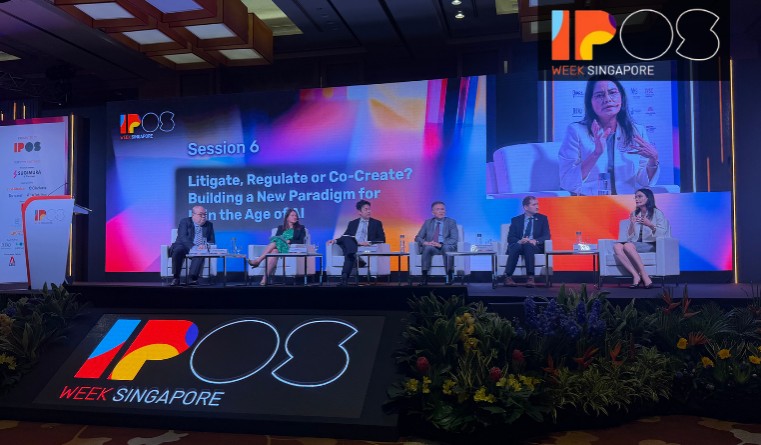
As governments around the world struggle to adapt intellectual property frameworks to the realities of artificial intelligence, a panel of legal, technology and business leaders at the Global Forum on Intellectual Property, part of Singapore IP Week, highlighted that the future of AI governance may depend less on litigation or regulation alone and more on collaboration between policymakers, rights holders and technology developers.
The session titled “Litigate, Regulate or Co-Create? Building a New Paradigm for IP in the Age of AI” held on August 27 examined one of the most pressing questions facing the innovation economy: how to balance incentives for AI development with the protection of IP rights. The discussion comes at a particularly significant moment, as Singapore launched a public consultation on AI’s impact on copyright and patent law on August 26 amid a growing wave of international legal disputes over AI training data and authorship.
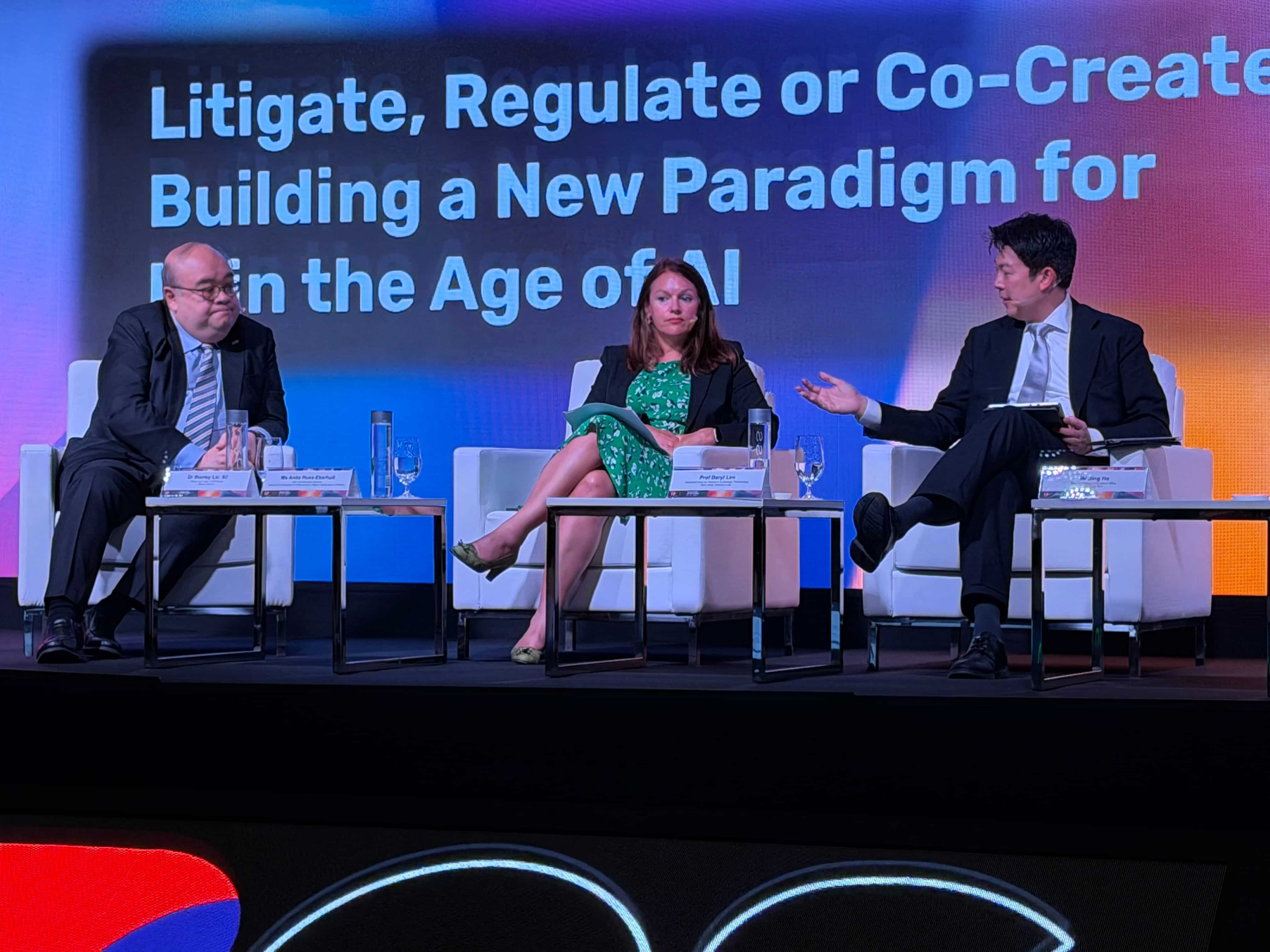
(From left) Stanley Lai, Anita Huss-Ekerhult, and Daryl Lim
Moderated by Daryl Lim, associate dean for research and strategic partnerships at Penn State Dickinson Law, the panel explored how different jurisdictions are approaching AI regulation, licensing, inventorship and liability.
Diverging global models
A recurring theme was the contrast between the United States, Europe, China and Singapore in addressing AI-related intellectual property issues.
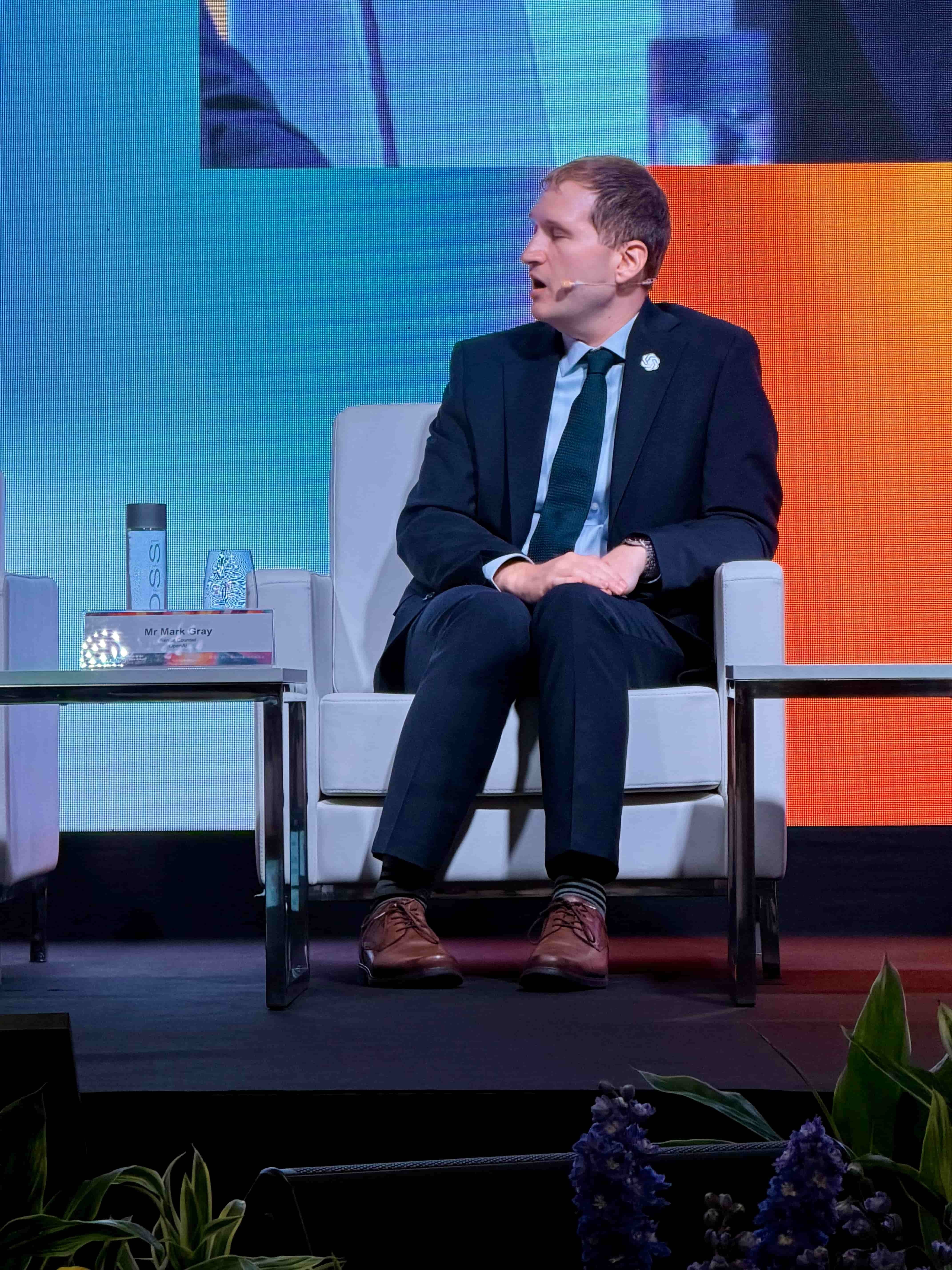
Mark Gray | a senior counsel @ OpenAI
Mark Gray, a senior counsel at OpenAI, said that the U.S. legal system benefits from a flexible copyright framework that allows courts to adapt to emerging technologies without waiting for legislative change. “The flexible U.S. fair use framework allows courts to address new technological shifts without constant legislative updates.”
That flexibility has become central to the ongoing debate over whether copyrighted materials can be used to train AI models. Supporters argue that AI training is a transformative use analogous to search indexing, while critics contend that large-scale scraping of copyrighted works undermines creators’ rights and licensing markets. The issue remains one of the most contested questions in global copyright law.
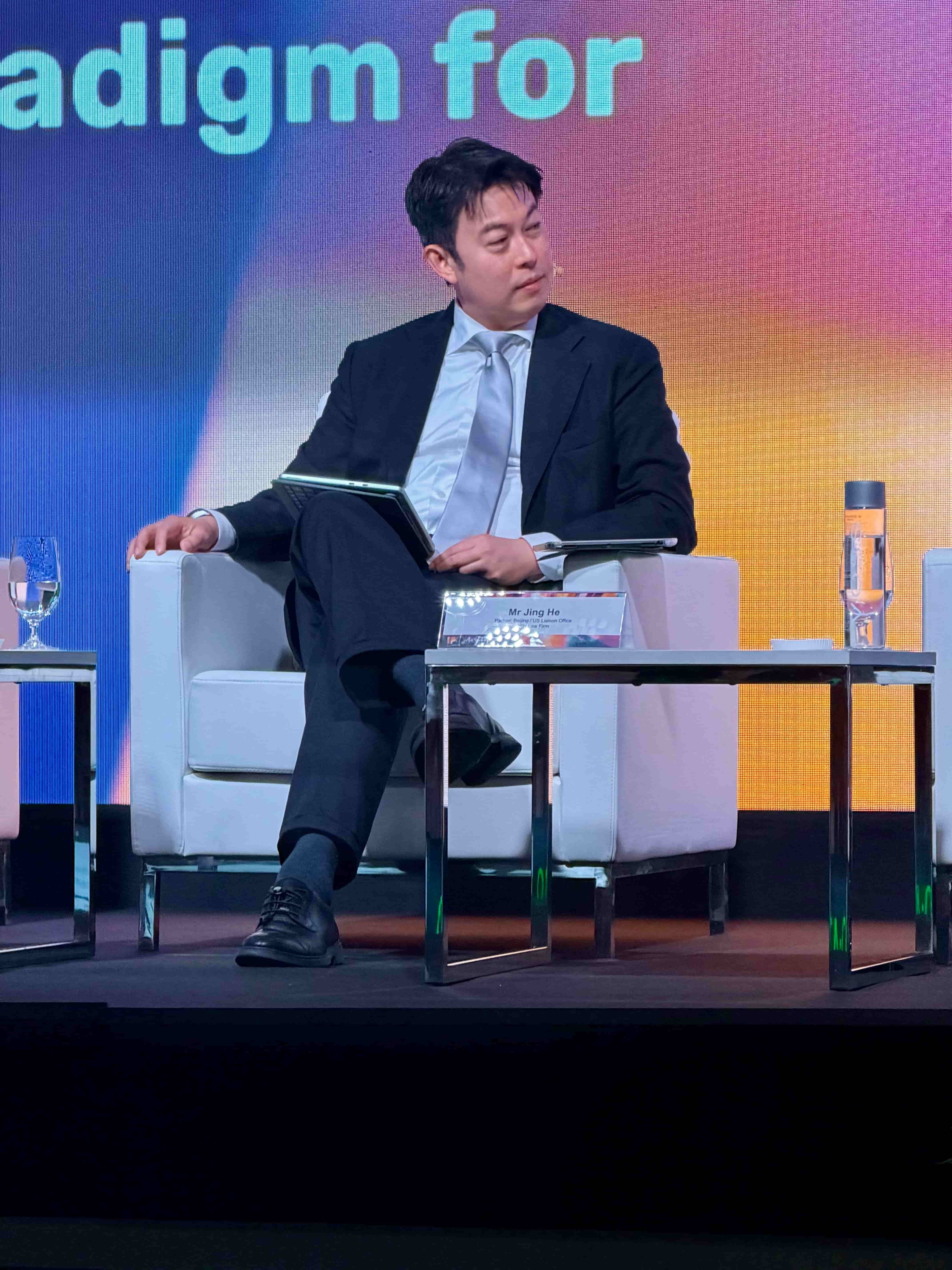
Jing He | a partner @ GEN Law Firm, Beijing
By contrast, Jing He, a partner at GEN Law Firm in Beijing, described China’s approach as pragmatic and highly coordinated. “China’s regulatory focus centres on preventing technology from being used for mass media manipulation or social mobilization,” he explained, noting that regulators generally allow experimentation provided developers remain within clearly defined boundaries.
Singapore, meanwhile, was presented as an example of a middle path. Stanley Lai, a partner and IP head of Allen & Gledhill, highlighted the jurisdiction’s Computational Data Analysis (CDA) exception, introduced under the Copyright Act 2021, which permits certain uses of copyrighted material for machine learning and data analytics while imposing safeguards against unlawful access and misuse. “The CDA exemption is a co-created solution,” he said, describing it as the result of sustained dialogue between policymakers, industry and rights holders.
The CDA framework has increasingly drawn international attention because it seeks to balance innovation with creator protections, a challenge many jurisdictions are still struggling to resolve.
The training data dilemma
One of the sharpest debates focused on how AI companies should gain access to the vast datasets needed for training frontier models.
According to Gray, a universal opt-in licensing regime is impractical given the scale of modern AI development.
“An opt-in licensing model is unrealistic due to the trillions of words and images required for frontier models,” he said, adding that ownership is often difficult to identify, particularly in jurisdictions lacking centralized registration systems. That position reflects broader arguments advanced by many AI developers, who contend that requiring prior permission for every work used in training would make development of competitive models nearly impossible.
However, Anita Huss-Ekerhult, CEO and secretary general of the International Federation of Reproduction Rights Organizations (IFRRO), pushed back, saying that collective licensing mechanisms already exist and could be expanded to support AI use cases.
She pointed to organizations such as the Copyright Clearance Centre and Norway’s Kopinor as examples of collective management organizations capable of representing millions of creators. According to Huss-Ekerhult, these systems demonstrate that licensing at scale is feasible if governments, creators and technology firms are willing to cooperate.
The debate is particularly relevant in Europe, where text-and-data-mining exceptions and opt-out mechanisms under the EU copyright regime have become a significant focus of debate as AI developers and rights holders dispute access to training data.
Who is responsible when AI infringes?
The panel also examined one of the thorniest questions in AI law: Who should be held liable when AI systems generate infringing content?
Lai suggested that responsibility often depends on the degree of user control. “Liability often hinges on control,” he said, noting that developers may not always bear responsibility when users deliberately craft prompts designed to reproduce protected works. He added that technologies with substantial non-infringing uses have historically received protections from strict liability.
The issue has become increasingly important as courts worldwide confront cases involving AI-generated images, text and software. The Intellectual Property Office of Singapore has similarly acknowledged that liability assessments will likely depend on the specific facts surrounding developers, deployers and users.
Human creativity still matters
While much of the discussion focused on machines, the panel emphasized that people remain at the centre of innovation.
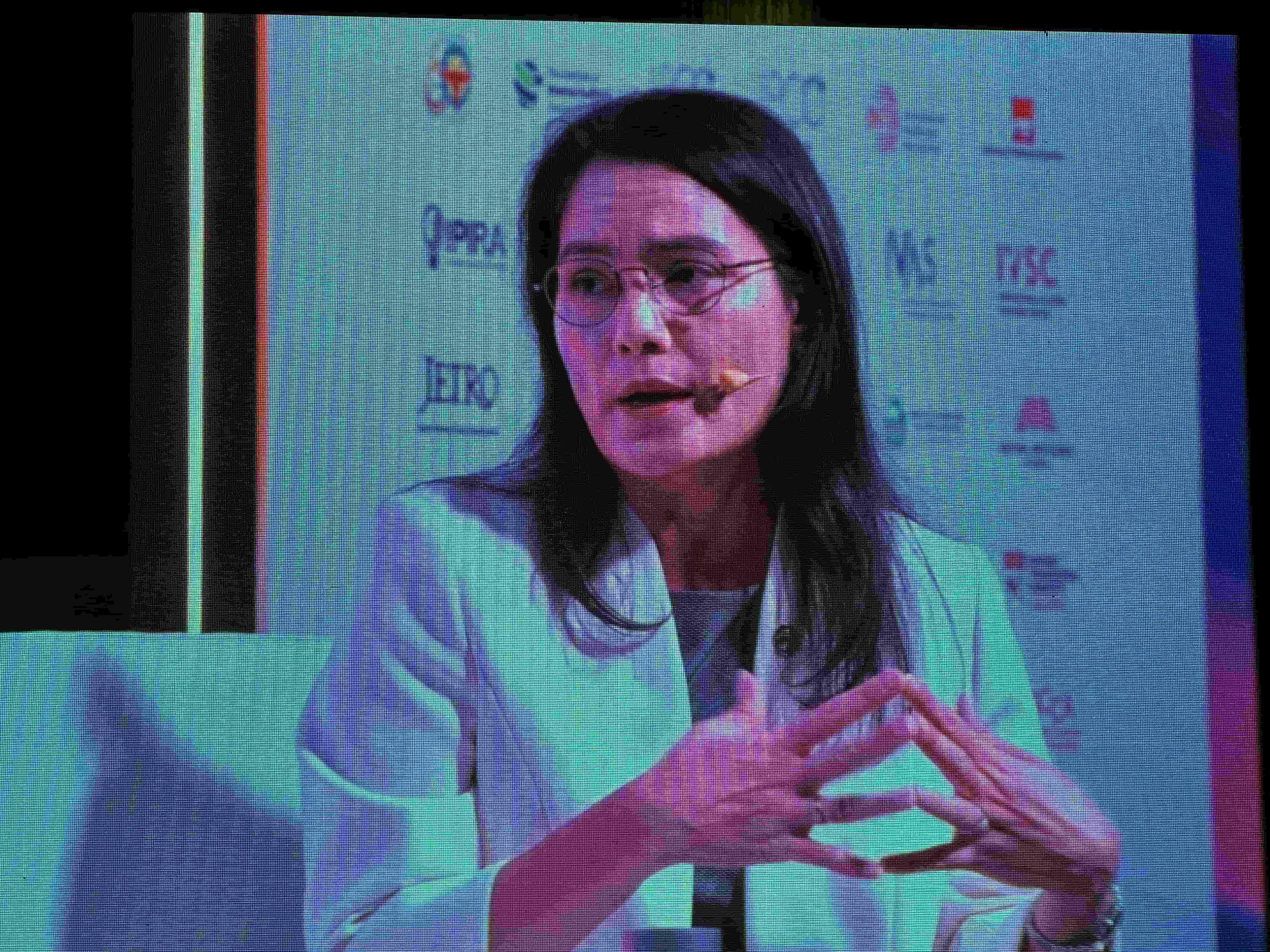
Olivia Koentjoro | senior director of IP and head of global legal data analytics @ Applied Materials
Olivia Koentjoro, senior director of IP and head of global legal data analytics at Applied Materials, challenged narratives suggesting AI systems innovate independently. Drawing on her experience, she said that developing effective AI requires extensive human expertise.
“Building proprietary models involves significant human labour in designing architectures, cleaning data and performing subject matter expert validation,” she said, describing the effort required to move AI systems beyond what she called the “precision wall.”
Similarly, He suggested that documentation of human involvement may become critical in future patent disputes. Records showing parameter selection, model adjustments and design decisions could help establish the human contribution necessary to demonstrate inventorship.
Toward co-creation
Despite disagreements over training data, licensing and liability, the panellists broadly agreed that neither litigation nor regulation alone can provide a durable solution.
Koentjoro called for stronger channels through which companies can share operational experience with policymakers, while preserving commercial confidentiality. Gray emphasized the potential of open-weight AI models to democratize access to innovation. Lai highlighted the value of ongoing stakeholder dialogue and Huss-Ekerhult stressed the importance of creating sustainable compensation systems for creators.
The panel concluded with a vision of success defined not by courtroom victories or ever-expanding regulation, but by a stable environment in which rights holders, AI developers and governments can work together.
As Singapore begins its consultation on copyright, patents and AI, that vision may prove especially relevant. The global intellectual property system is being tested by technologies that evolve faster than legislation. Whether the answer lies in litigation, regulation or co-creation remains unresolved, but the consensus among panellists was clear: the future of innovation will depend on finding a balance that protects creators without stifling technological progress.
- Darren Barton in Singapore