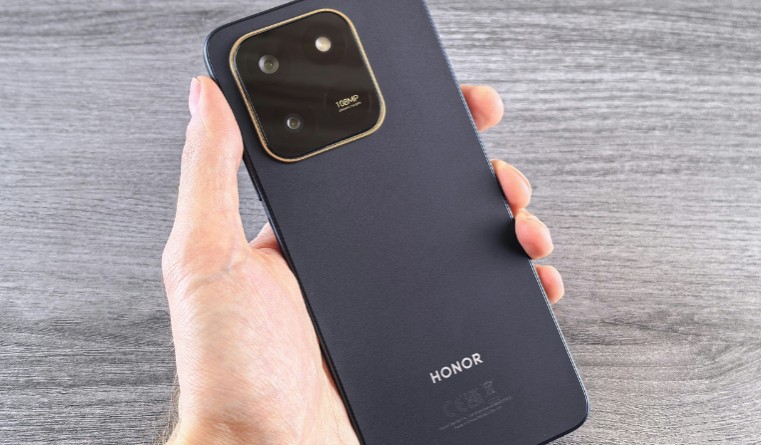
Chinese smartphone maker Honor has taken another significant step in its transformation from handset manufacturer to intellectual property heavyweight, acquiring a portfolio of video and image-coding patents from South Korean electronics giant LG Electronics in a move that underscores the growing importance of standards-essential patents (SEPs) in the global technology sector.
The transaction, disclosed this week, comes as Honor continues to expand its role in the international patent-licensing ecosystem. The company has joined Avanci’s vehicle cellular licensing programmes as a licensor and has become a licensee of Access Advance’s Versatile Video Coding (VVC) pool, signalling a more sophisticated and increasingly assertive approach to patent strategy.
While financial details of the acquisition have not been disclosed, the portfolio is understood to cover video and image-coding technologies, assets relevant to applications including high-definition streaming, AI-enabled imaging systems, connected vehicles and data-intensive mobile applications. Such technologies sit at the centre of modern consumer electronics and telecommunications ecosystems, making ownership of related patents strategically important for both licensing and litigation purposes.
The deal highlights a broader shift among Asia’s leading technology companies. Traditionally, many Chinese device manufacturers were primarily patent licensees, paying royalties to established Western, Japanese and South Korean rights holders. Increasingly, however, companies are building substantial patent portfolios of their own, which can allow them to negotiate cross-licensing arrangements on more favourable terms and potentially reduce their exposure in infringement disputes.
Ownership of SEPs and related multimedia patents can affect the balance of power in licensing negotiations. As smartphone markets mature and device margins tighten, IP has become an increasingly important source of revenue and competitive advantage.
The transaction also reflects the continuing commercialization of IP by established electronics companies. LG, which has spent decades investing heavily in communications and multimedia research, is one of several large technology groups that have increasingly sought to monetize portions of their patent holdings through licensing arrangements, portfolio sales and strategic transactions. Acquiring such mature assets can provide buyers with potential leverage in negotiations while saving the time and expense of developing comparable portfolios through internal research and development.
For Honor, the acquisition arrives at a pivotal moment.
The company has been steadily expanding beyond its traditional smartphone business while simultaneously increasing its participation in patent licensing initiatives. Its recent involvement with both Avanci and Access Advance suggests a deliberate effort to become a recognised stakeholder in global patent licensing frameworks. The LG acquisition appears to complement that strategy by adding further depth in technologies related to video compression, imaging and multimedia content delivery.
The significance of those technologies is only expected to increase as artificial intelligence continues reshaping the semiconductor and electronics industries. A recent patent analysis by Anaqua found that patents at the intersection of AI and semiconductors have grown 114 percent over the past five years, substantially outpacing broader semiconductor patent growth. The study described AI as an increasingly dominant force in determining where patent investment and research activity are concentrated.
In this context, companies with strong patent positions in image processing, video coding and related technologies may be particularly well positioned. AI-powered imaging systems, autonomous vehicles, smart devices and next-generation communications networks all rely heavily on efficient video and image-compression technologies. Patent ownership in these areas can therefore have commercial implications far beyond traditional smartphone markets.
Legal practitioners are also likely to watch the development closely because acquisitions of this nature can influence future litigation dynamics. Patent portfolio purchases can strengthen a company’s ability to defend itself in infringement disputes, assert rights against competitors or secure more favourable outcomes in cross-licensing negotiations. In the increasingly globalized SEP landscape, where disputes frequently span multiple jurisdictions including China, Germany, the United Kingdom and the United States, portfolio strength can play an important role.
Whether Honor intends to become a major licensing force remains to be seen. Yet the acquisition of LG’s video and image-coding portfolio suggests the company is thinking beyond device sales and toward long-term influence within the global intellectual property ecosystem.
As competition intensifies in smartphones, connected vehicles and AI-driven technologies, the value of strategic patent ownership is unlikely to diminish. Honor’s latest move offers another indication that Asia’s technology champions are increasingly viewing IP not simply as protection for innovation, but as a core business asset capable of generating competitive advantage, negotiating leverage and future revenue streams.
- Asia IP