


UAE IP rights and sustainable growth
08 May 2026
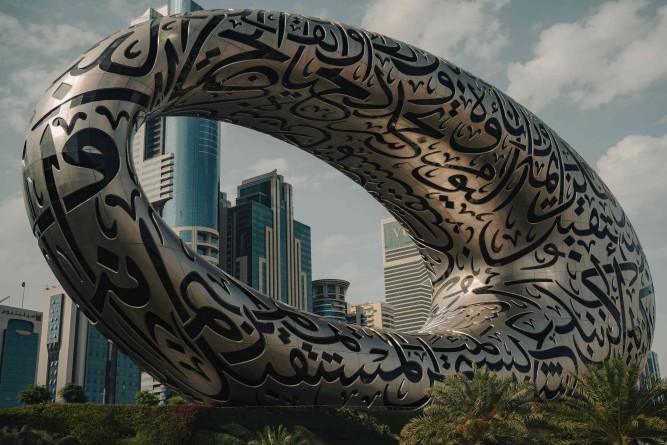
The United Arab Emirates is rapidly strengthening its role as a leading global centre for innovation and a knowledge-driven economy. This transition is not accidental but is the result of a deliberate, multi-layered strategy to refine its intellectual property ecosystem. Recent progress in the UAE’s intellectual property system highlights a clear strategy to safeguard creativity, attract significant foreign direct investment and create a reliable, transparent environment for both individual creators and multinational businesses. These wide-ranging improvements reflect a forward-looking vision to establish the UAE as a dominant force in the global knowledge economy.
Strategic international cooperation in patent examination
One major step forward in this journey is the UAE’s deepening cooperation with international partners, most notably the United States, on patent examination. Under a landmark agreement formalized during the 66th World Intellectual Property Organization (WIPO) meeting, the UAE Ministry of Economy can now utilize positive examination results from the US Patent and Trademark Office (USPTO) when assessing similar patent applications locally.
This cooperation is intended to drastically accelerate and streamline the patent approval process, making it significantly easier for innovators and technology companies to secure protection without redundant administrative hurdles. This initiative is a core component of a broader push to modernize the country’s industrial property system and boost investment in high-tech, knowledge-based sectors. By aligning with global leaders like the USPTO, the UAE ensures that its domestic patent quality meets international benchmarks, providing inventors with a robust shield for their intellectual assets.
Protecting heritage through geographical indications
While focusing on high-tech innovation, the UAE is equally committed to preserving its cultural identity. The ministry has introduced a sophisticated new system to protect traditional goods through geographical indications, which aims to protect traditional products tied to specific regions and their unique methods of production.
This system provides vital legal recognition to products that are inextricably linked to specific Emirati regions, such as the premium Hatta honey, the artisanal Ras Al Khaimah ceramics and the renowned Al Dhafra Dabbas dates. This initiative does more than just protect names; it supports local industries, promotes cultural heritage as a brand and improves the global competitiveness of national products. By securing GI status, local producers can command premium pricing in international markets, ensuring that traditional craftsmanship contributes to the nation’s modern economic growth.
A new era for creative industries and music rights
Within the creative industries, the establishment of the Emirates Music Rights Association (EMRA) marks an important milestone in the UAE’s cultural evolution. EMRA is now responsible for the comprehensive management of music rights, including the systematic collecting and distributing of royalties from public and commercial use across the country.
This organization helps resolve long-standing issues faced by both local and international artists, aligns the UAE’s copyright enforcement with international standards and aims to build a stronger, more sustainable music industry. For a region that hosts world-class events and a booming hospitality sector, having a structured collective management organization ensures that creators are fairly rewarded for their contributions.
Combatting digital piracy through AI and technology
As a digital-promoting nation, the UAE is acutely aware of the threats posed by online copyright infringement. To address digital piracy head-on, the UAE launched the InstaBlock Center. This cutting-edge facility uses advanced technologies like artificial intelligence to detect and stop copyright violations instantly, developed in a strategic partnership with the Telecommunications and Digital Government Regulatory Authority (TDRA).
A standout feature of this system is its “live ban” capability, which allows rights holders and users to report infringements during live broadcasts – a critical tool for protecting high-value sports and entertainment content. The centre has already proven its efficacy, successfully blocking thousands of illegal websites in 2024 alone. This proactive stance on digital enforcement gives content creators the confidence to distribute their work digitally within the UAE, knowing their intellectual assets are protected by real-time technology.
Strengthening the pharmaceutical and healthcare landscape
The pharmaceutical sector has also undergone significant regulatory reform, underscored by the introduction of Federal Law No. 38 of 2024. This comprehensive law replaces earlier, outdated legislation and substantially strengthens IP protections for innovative medical products, including introducing clearer, more stringent rules on data protection and regulatory exclusivity.
Crucially, the law establishes the Emirates Drug Establishment as the central authority overseeing pharmaceutical approvals. This centralization aims to encourage innovation and attract foreign investment from global pharmaceutical giants by providing a more secure, predictable regulatory environment. By protecting the research and development investments of biotech firms, the UAE is positioning itself as a regional hub for life sciences and medical manufacturing.
Accelerating the green transition
Sustainability remains a cornerstone of the UAE’s national agenda, particularly following the momentum of COP28. The UAE has launched a dedicated roadmap to fast-track the registration of green intellectual property. This initiative significantly shortens approval times for environmentally focused patents, reducing the waiting period from up to two years down to just three to six months.
By providing a fast track for eco-friendly inventions, the UAE supports its circular economy goals and actively encourages the development of innovations that address climate change and resource efficiency. This policy ensures that the latest sustainable technologies reach the market faster, directly contributing to the nation's net-zero targets.
The Dubai Intellectual Property Hub
Lastly, at the local level, Dubai has introduced the Dubai Intellectual Property Hub (DIPH), a centralized platform designed for the sophisticated management of IP and intangible assets. The hub simplifies registration processes, offers expert guidance on protection strategies, and provides a suite of tools to help innovators and businesses maximize the commercial value of their intellectual property.
The DIPH aligns perfectly with the broader “We the UAE 2031” vision, which seeks to position the country as a premier global destination for talent and creativity. By lowering the barriers to entry for IP protection, the hub empowers startups and SMEs to treat their ideas as valuable assets, facilitating access to funding and partnerships.
Conclusion
In summary, these developments across patents, traditional products, creative rights, digital enforcement, pharmaceuticals and sustainability illustrate the UAE’s comprehensive and progressive approach to intellectual property. The nation is moving beyond mere compliance with international treaties; it is building a bespoke, technology-driven infrastructure that treats intellectual property as a primary driver of economic diversification. By strengthening its legal and institutional framework, the UAE is not only protecting its growing creative and innovation sectors but also cementing its status as a global leader in the knowledge-based economy.
About the author

Law firms