


INTA 2026: Anya Hindmarch, on IP protection and plastic bags
05 May 2026
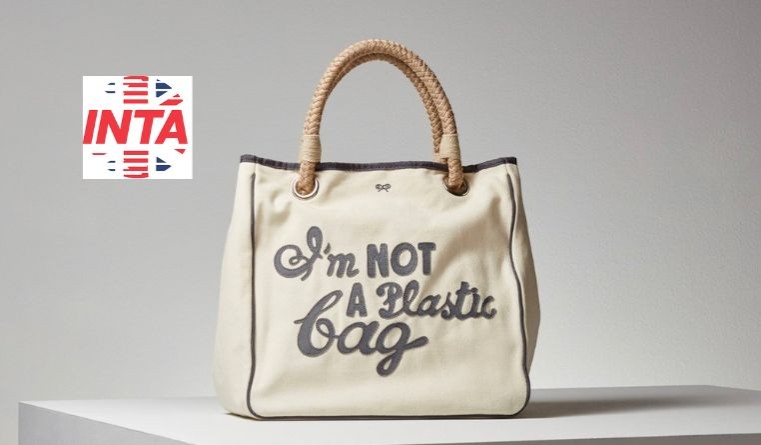
How does one of Britain’s top fashion accessories designers become intertwined with plastic bags – or, more accurately, NOT plastic bags? Anya Hindmarch, founder and CEO of the eponymous fashion retailer Anya Hindmarch and keynote speaker at the opening ceremonies of the International Trademark Association’s 148th Annual Meeting at Excel London spoke of the unlikely alliance between supermarkets and a luxury fashion brand.
Hindmarch, who launched her label in 1987, selling 500 Italian drawstring leather bags in the midst of a recession in the UK, quickly grew her business and, by 1992, was selling her bags in luxury stores in London, New York, Japan, France and Italy.
In 2007, Hindmarch launched a limited-edition tote bag with the words “I’m NOT A Plastic Bag” on them, using her influence, which by then was considerable, to discourage the use of single-use plastic bags.
“It’s an obvious truth that the idea of having something beautiful that hurts the environment is irresponsible. That’s common sense. And common sense is the North Star for me, certainly, because I'm sort of an accidental activist in this world,” she told the audience. “We fell into a project that I cared about but hadn’t thought about, which was, how can I use the platform of what I do to discourage people from using single use plastic? And it's a bit of IP, interestingly, that we don't mind being abused.”
Hindmarch said that the project led to a change in legislation here in the UK, which then rolled out in various other places, was copied into Mandarin, into French and German and other languages. “And of course, that scaled the message, which is very important. I think common sense is key, and I think that you have to be very open and honest on your endeavours in the world of sustainability. There’s a lot of rubbish that’s spoken, honestly. And I think if you follow the North Star of ‘how can I make a difference? How can it not be perfect but still make strides?’ That's a good place to start.”
Hindmarch told the audience that she is currently working on another project in support of the environment called “universal bag,” which she is working on with supermarkets around the world. “It is an unlikely sort of combination in the office of luxury brands and supermarkets, but actually it's probably the place that people interact with bags the most. It’s fun to be able to play with projects that make a difference. There’s something very exciting about using creativity for good.”
The fashion designer also spoke on the importance in intellectual property laws and enforcement. Lara Kayode, founder and managing partner of O.Kayode & Co. in Lagos and meeting co-chair, asked Hindmarch if she could point to the time at which she realized she as creating IP that should be protected.
“It’s lovely to be at the moment of joys and not so worried about it. But yes, it’s funny. I started my business at 18, and adopted my name and for the business. And you start having these problems, and suddenly it dawns on that you have to actually register all those bits, like names and logos, all these documents and territories in all the different classes, all of which where the law changes over time,” Hindmarch said. “And it’s a very, very expensive endeavour for a small startup.”
As Kayode noted that we are now “in an AI-driven world,” Hindmarch replied that “it’s the Wild West going forward, and you know, it's going to be a lot of business for all of you [lawyers], which is the good news, but I think trying to protect your IP and your design through this next phase is going to be a very interesting ride. I think people who are producing original content, we’re going to need proactive help to steer us along the way.”
Meeting co-chair Tanya Fickenscher, vice president and deputy general counsel of Major League Baseball in New York, asked Hindmarch to elaborate on the market trend that she describes as “brand equals behaviour,” which has been described as an important element behind her belief in creating with purpose, focussing on meaningful, long-lasting items.
“Well, I think brands ultimately need to be registered. That is the important bit, but I do believe that brand is an overused term, and actually I think it should be replaced by the word behaviour, because so often businesses will have a mission statement and rules and regulations and eyeballs on the way they run their business, but it's very easy to lose sight of how the customer feels. It’s incumbent on brands to remember that actually every interaction, every touch point, is as important as a logo on a product.”
- Gregory Glass in London