


In the works: GI registry and national GI protection strategy in Pakistan
16 July 2025
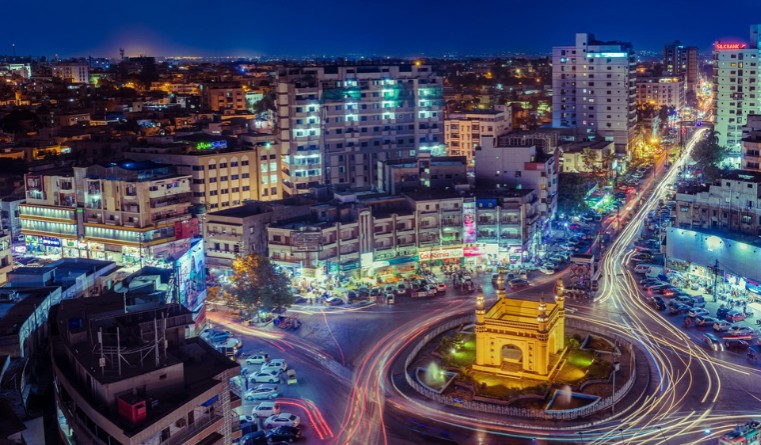
Credit by Planet of Hotels

Sana Shaikh Fikree | a counsel @ Vellani & Vellani, Karachi.
A geographical indications (GI) registry and national geographical indications protection strategy are currently in the works in Pakistan, with 200 local products already identified for potential GI tags.
According to Jam Kamal Khan, federal minister for commerce, the Pakistani government is focusing on these initiatives to solidify the protection of local products. Khan revealed these developments during his keynote speech at the National Conference on GI Awareness held in May 2025 in Islamabad.
Basmati rice, Sindhri mangoes and 18 other products are already registered as GIs. Meanwhile, GI applications in overseas markets are ongoing.
“These measures aim to strengthen Pakistan’s intellectual property framework by highlighting the distinctiveness of origin-based products and positioning them as competitive exports in global markets,” said Sana Shaikh Fikree, a counsel at Vellani & Vellani in Karachi.
However, Fikree reminded that the success of these reforms will depend on several interconnected factors: effective coordination among institutions, capacity building within enforcement agencies to ensure the effective implementation and protection of GI, and awareness among producers, farmers and artisans. Fikree added that the economic and cultural potential of these products may remain unrealized if local stakeholders are not actively engaged and do not understand the strategic value of GI protection.
“Moreover, the GI registry must be equipped with effective and efficient tools, such as digitalized records and user-friendly application systems, not only to streamline registration processes, but also to ensure transparency and facilitate enforcement,” said Fikree.
As for the GI protection strategy, she said it must empower local stakeholders by improving market access for producers – not only from urban centres but also from rural and marginalized regions of the country. “This includes offering targeted training programs and leveraging digital platforms to help producers promote their goods and share the unique stories behind them. GIs must be viewed not merely as legal tags,” she noted, “but as instruments for community development and the preservation of traditional and generational skills and knowledge.”
Further, Fikree said the GI Protection Strategy must prioritize international cooperation. “Building partnerships with foreign governments and global organizations is essential to protect Pakistani GI products in overseas markets. Accession to international treaties, such as the Lisbon Agreement, will be instrumental in achieving these objectives,” she noted.
- Espie Angelica A. de Leon