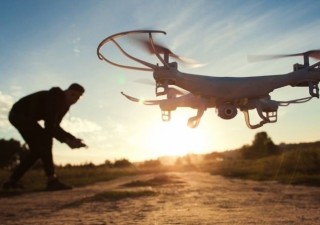
DJI has filed a lawsuit against Insta360’s parent company, Arashi Vision, at the Shenzhen Intermediate People’s Court in Guangdong Province, citing disputes over six patents covering drone flight control, structural design and image processing. The case, accepted on March 23, 2026, sent Insta360’s shares down more than 4.5 percent in early trading and marks DJI’s first domestic patent-ownership lawsuit.
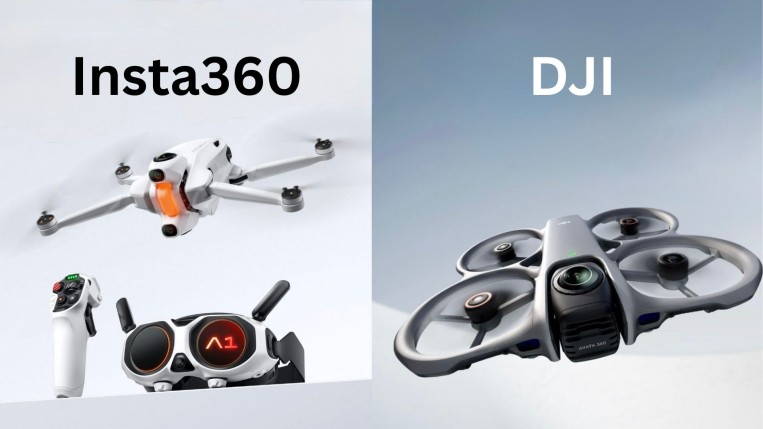
DJI and Insta360 have competed for years, but their rivalry intensified in 2025. DJI moved into Insta360’s domain with the Osmo 360 camera, while Insta360 entered DJI’s territory through Antigravity, its drone sub‑brand. The two now compete directly in the action camera market.
According to filings cited in Chinese media reports, DJI says the patents were developed by several former DJI engineers within one year of leaving the company. DJI maintains that the inventions are directly linked to the employees’ original responsibilities and qualify as “service inventions” under Chinese law, meaning the patent rights would belong to DJI. The patents cover key technologies in drone flight control, aircraft structure and imaging systems.
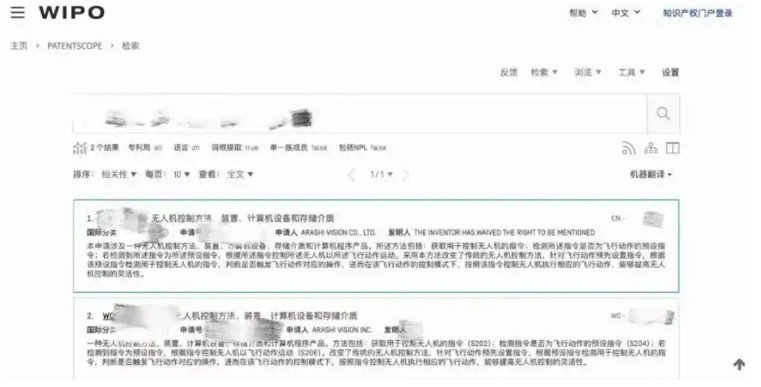
Public records also show discrepancies between inventor disclosures in China and abroad. In at least two drone‑related patents, Insta360 requested that inventors’ names not be published in Chinese filings. However, corresponding international Patent Cooperation Treaty (PCT) applications fully disclosed these inventors, confirming they were former DJI research and development personnel who had worked on core DJI drone projects. Such differences have become part of DJI’s evidence regarding the origin of the disputed inventions.
News of the lawsuit triggered a market reaction. Shares of Insta360’s Shanghai‑listed parent company fell 6.98 percent on the day the case became public, reflecting investor uncertainty over potential legal exposure and the company’s product pipeline.
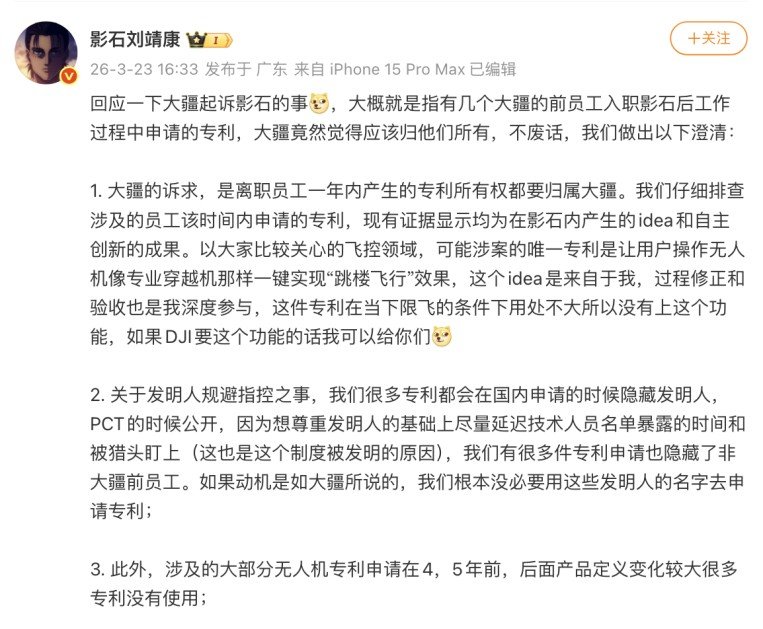
In response, Insta360 founder and CEO Jingkang Liu posted a public statement rejecting DJI’s accusations. Liu said the company conducted an internal review of patents filed by employees who previously worked at DJI and found that the ideas originated independently within Insta360. He added that the company routinely withholds inventor names in domestic filings to reduce headhunting risks and said that some listed inventions – such as a flight‑control feature enabling a one‑button “building dive” – were conceptual and not deployed in products.
“This was my idea, and I was deeply involved in refining and approving it. Under current flight restrictions, this patent isn’t very useful, so the feature wasn’t implemented. If DJI wanted this patent, they could’ve just asked me for it,” Liu said.
Liu also dismissed suggestions of deliberate concealment, saying that several patents unrelated to former DJI employees were similarly filed with non‑disclosed inventors. Insta360 maintains that the patented technologies were developed during the employees’ tenure at the company and were not derived from prior work at DJI. Insta360 also said the patents are not core to operations and do not pose an immediate risk to production.
Liu said Insta360 was willing to spend heavily to defend its intellectual property rights, citing its previous legal battle with GoPro.
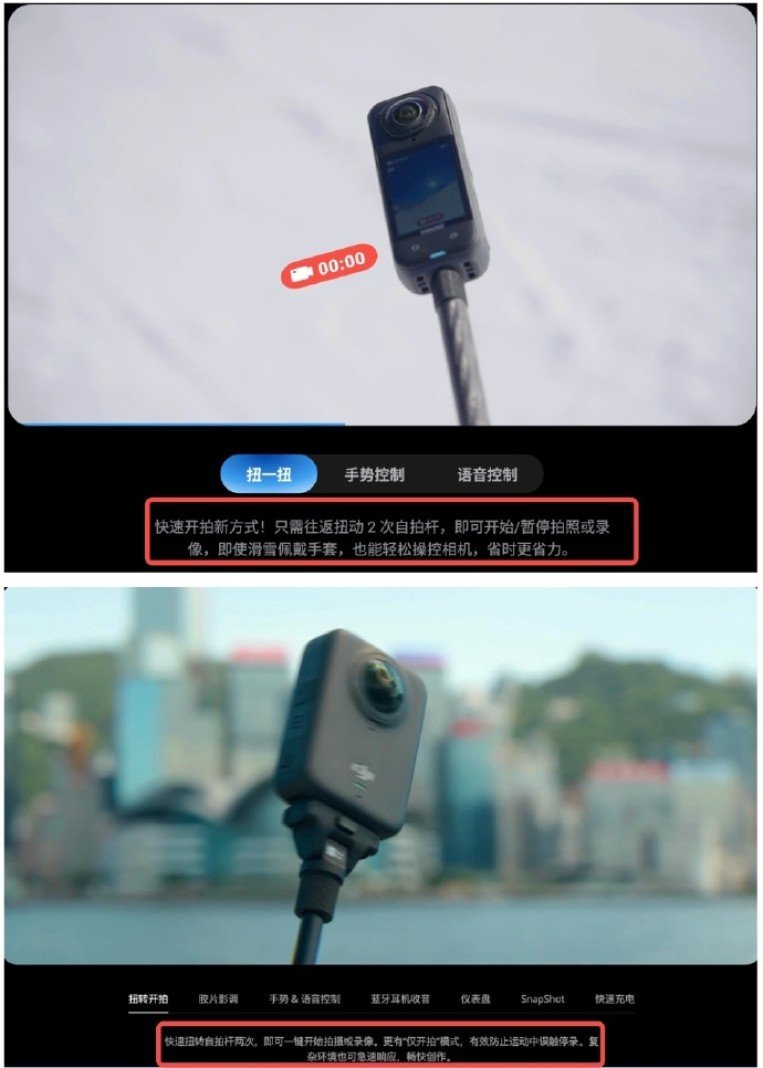
There are notable similarities in product descriptions, exterior design and app interfaces between the two companies, as reflected in DJI’s Osmo series.
The timing of the lawsuit drew additional attention as it emerged three days before DJI’s planned unveiling of its first 360‑degree drone, a segment in which Insta360 has been an early innovator through its Antigravity brand. The companies have increasingly expanded into each other’s hardware categories, intensifying competition in the consumer drone and imaging market.
DJI holds more than 70 percent of China’s consumer drone market, while Insta360 remains a top competitor in 360‑degree and action‑camera segments.